Experiential Facilitation & Team Coaching Services
How We Work Together
Ecosystem Mapping
When the same issues keep resurfacing no matter who you talk to — and nobody can quite see the whole picture.
→ Ecosystem Mapping brings the invisible relationships, dependencies and dynamics into view, so your team can finally see what's actually driving the problem.
HOW IT WORKS
A facilitated session, typically a half or full day, that brings the whole system into the room. Roles, relationships and responsibilities are mapped in three dimensions, making visible what is often unspoken or unexamined. Particularly powerful at moments of change, growth or strategic uncertainty.
Photo courtesy of South Yorkshire Climate Alliance
Team Coaching
When your team is stuck — conflict, competing agendas, communication breakdowns, or people quietly checked out.
→ Team Coaching rebuilds the trust and shared language a team needs to move forward together, not just paper over the cracks.
HOW IT WORKS
A short series of sessions using CliftonStrengths as a foundation, giving teams a shared language for what they do best and how to do more of it together. Typically delivered across 3 to 6 sessions depending on the team's needs and context.
Creative Facilitation
When talking about it hasn't worked, and your team needs to actually experience a different way of working, not just discuss it.
→ Creative Facilitation uses experiential, action-based methods to shift something talking alone can't reach.
HOW IT WORKS
Immersive, embodied workshops and experiences for groups, from climate justice to managing perfectionism to equine-assisted work. Each workshop is designed around the specific needs of your group. Available as standalone events or as part of a longer engagement.
Darts & Creative Health Boards by James Mulkeen
Individual Coaching
When you're carrying more than you're able to name — self-doubt, a hard decision, a role that's grown faster than your confidence.
→ Individual Coaching gives you the space and structure to find your own way through, with someone holding the process for you.
HOW IT WORKS
One-to-one coaching for leaders and professionals navigating complexity, transition or growth. Available in person or online.
Equine-Assisted Workshops
We offer bespoke workshops for groups of 6 to 15 people. Developed in collaboration with Martha Lindsell, these experiential workshops combine action methods with Martha’s herd of horses using natural horsemanship techniques. No riding or previous experience with horses is required.
Working alongside horses offers a unique opportunity for teams to reconnect with embodied awareness, deepen self-understanding and discover new perspectives through experience rather than conversation alone.
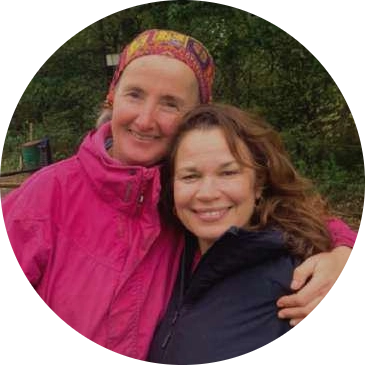
Co-facilitated with Martha Lindsell
Here are Three Ways Horses Teach Teams What They Can't See in Themselves
Horses don't respond to job titles, rehearsed answers, or good intentions. They respond to what's actually true in the moment — which makes them one of the most direct, honest mirrors a team can work with.
Leadership Without Authority
Horses don't respond to job titles, rehearsed answers, or good intentions. They respond to what's actually true in the moment — which makes them one of the most direct, honest mirrors a team can work with.
Trust & Psychological Safety
A horse won't cooperate with someone who's tense, distracted, or faking calm. They read incongruence instantly.
Teams get immediate, honest, non-judgemental feedback on whether they're truly present with each other — not just saying the right things.
Communication Beyond Words
Horses are attuned to posture, breath and energy — and largely indifferent to what's actually being said.
This exposes the gap between a team's stated communication style and what's really happening in the room.
Ready to bring this to your team?
Get in touch to book a workshop, or if none of these themes quite fit what your team needs right now, we can co-create one together, built around what the topics that are live for your group.
Common Questions
Traditional training tends to be information-led — content is delivered, people listen, and learning is hoped for. Experiential facilitation works differently. It starts with what's already in the room: the knowledge, experience, tensions and creativity that people bring with them. Through structured activities, creative methods and carefully held group processes, participants learn by doing, reflecting and discovering together. The result is insight that sticks — because it came from within the group rather than being handed to them.
Sociodrama is an action-based method that uses role, movement and dramatic enactment to explore shared social and organisational themes. Unlike individual psychodrama, sociodrama works with the group as a whole — exploring collective dynamics, communication patterns, team culture and systemic challenges. In practice, this might mean stepping into different roles to see a situation from a new perspective, or using the physical space of a room to map relationships and power dynamics in ways that talking alone cannot reach. It is particularly effective for teams navigating change, conflict or complex communication challenges.
Action methods are a family of experiential techniques rooted in the work of Jacob Levy Moreno, the founder of psychodrama and sociodrama. They include role play, role reversal, sculpting, concretisation and the use of objects and space to make the invisible visible. They work because the body knows things the mind hasn't yet articulated. When we move, enact and engage physically with an idea or challenge, we access insight that purely intellectual approaches often miss. Action methods are used across facilitation, coaching, leadership development and team building.
CliftonStrengths is a strengths-based assessment tool developed by Gallup that identifies an individual's top natural talents across 34 themes. As a certified Gallup Global Strengths Coach, I use the assessment as a starting point for deeper conversations about how people work best — individually and in teams. It is particularly valuable for leaders wanting to understand their own style, for teams wanting to appreciate and build on what each person brings, and for organisations wanting to shift from a deficit focus (fixing what's wrong) to a strengths focus (building on what's already working).
Yes — and this is work I find particularly meaningful. I have extensive experience working with NGOs, charities and public sector organisations across the UK and internationally, including Right to Play, Marie Curie and organisations within the United Nations system. I understand the particular pressures and dynamics of mission-led organisations — limited resources, high commitment, complex stakeholder relationships and the emotional weight that often comes with work that matters deeply. My facilitation and coaching is designed to be both rigorous and human.
I am based in Sheffield and work with organisations across the UK and internationally. Workshops and programmes have been delivered in Geneva, Brussels, Stockholm, Lisbon, Barcelona, Budapest, Istanbul, Milan, Mumbai, Chennai, Sydney, Kansas City and beyond. I am equally comfortable working in person or online, and happy to discuss what format works best for your team or organisation.
Fees
Fees for facilitation and organisational work are determined by scope, sector and organisational size on a case by case basis. Reduced rates are available for smaller charities and community organisations. This is a conversation rather than a transaction!
A typical engagement may include: facilitated sessions, team interventions, multi-session team coaching, organisational programmes, executive sponsor review sessions and/or dynamic evaluation.
Individual coaching:
• £75 per session — community, voluntary and low-waged professionals
• £150 per session — standard rate
• £225 per session — executive and senior leaders
This sliding scale reflects a commitment to making the work accessible across sectors and circumstances. If you are unsure which rate applies to you, please get in touch and we can find the right fit together.
All engagements begin with a free 30-minute discovery conversation to explore whether we’re a good fit.
Testimonials
© VMH Consulting | Sheffield, England - working globally
powered by WebHealer